

Water stains on your ceiling. A musty smell in the bathroom. Weak pressure at the tap. These might seem like small issues, but they often point to a bigger problem in your plumbing system.
Pipes don’t break without a reason. Sometimes the cause is slow and gradual. Other times it’s sudden. In this guide, we’ll break down the most common reasons pipes fail, what to look out for, and how to reduce the risk of serious damage.
Signs a Pipe May Be Broken
Most cracked pipes are out of sight. But they usually give themselves away. Here are some of the most common early signs:
- Low water pressure
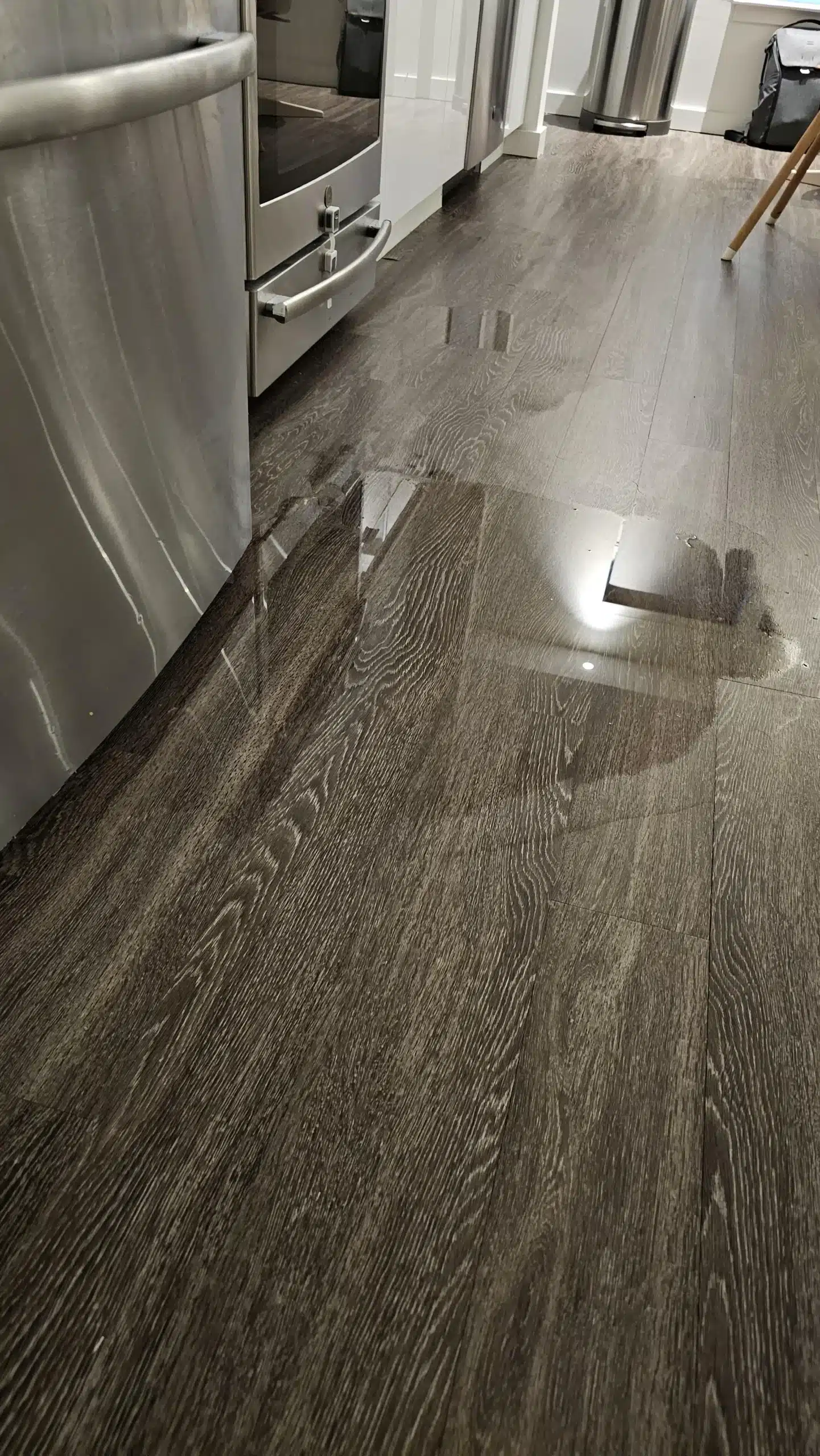
- Damp or wet spots on walls, ceilings or floors
- Foul odours near drains
- Discoloured tap water
- Mould or mildew that keeps returning
- A sudden increase in water usage or bills
The Main Causes of Broken Pipes
Tree Roots Entering the Line
Roots are always looking for moisture. If a pipe has even a hairline crack, roots can force their way in and continue growing until the pipe collapses or blocks up entirely. In cases where underground pipes are damaged by root intrusion, pipe relining offers a non-invasive way to restore flow without digging.
Prevention tip: Avoid planting trees near sewer or stormwater lines. If you’re unsure, book a pipe location scan before landscaping.
Soil Movement or Ground Pressure
Soil shifts due to weather, excavation, or changes in moisture levels. If your home is built on reactive clay or a sloped block, this movement can strain pipework underground until it cracks or sags.
Watch for: Recurring outdoor smells, bubbling drains or gurgling sounds.
Freezing Conditions Inside Pipes
Water expands when it freezes. If that happens inside a pipe, the pressure builds and cracks the pipe wall from within. This usually affects uninsulated outdoor plumbing in colder regions.
Tip: Use pipe insulation around exposed areas if you live in a frost-prone zone.
Excessive Water Pressure
Most plumbing systems are designed to handle 50 to 80 PSI. If the pressure goes beyond that, it puts stress on joints, bends and fittings. Over time, this weakens the pipe and increases the risk of bursts or leaks.
DIY check: Attach a pressure gauge to an outdoor tap. If it reads over 80 PSI, call a licensed plumber to assess.
Poor Quality Installation
Not all plumbing is done to standard. Bad joins, unsupported pipe runs, and incorrect gradients are all common issues in older or DIY plumbing work. These faults may take years to cause a failure, but when they do, the damage is often significant.
Solution: If you’re unsure about your pipework, a camera inspection can check for hidden flaws without digging.
Clogs and Backups
When a pipe is blocked, water pressure builds behind the obstruction. This added stress can push on the pipe walls, especially if the pipe is already weakened by age or ground pressure.
Avoid flushing: Wipes, paper towels, grease, food scraps or sanitary items. Even so-called flushable products can cause blockages over time.
How to Prevent Pipe Damage
Not all pipe damage can be prevented, but staying proactive makes a difference.
- Book regular inspections if you have older pipes
- Get any slow drains or smells investigated early
- Avoid heavy landscaping near known pipework
- Insulate exposed pipes in colder areas
- Monitor your water pressure and act if it spikes
When to Take Action
If you’ve noticed any of the signs mentioned earlier, it’s best not to wait. Broken pipes rarely stay minor. The longer you leave them, the more damage they can cause. Fixing the problem early saves time, money and stress.
Keogh Plumbing offers professional inspections using high-definition drain cameras. We can locate damage quickly and recommend practical solutions to keep your system safe and functioning.
Call 02 6430 7104 or book an appointment online today and stay ahead of the issue.
What the Locals are Saying
Trustindex verifies that the original source of the review is Google. Most efficient plumbing service. We run a Motor Inn. Very busy day and they had it done by check in, which was 2pm. So no impact to our Guest's. Thank you guys you are awesome.Posted onTrustindex verifies that the original source of the review is Google. Thanks Ryan, what a life saver. Our pump for our water tank stopped working and he was here so quickly, sorted a new pump and parts that needed replacing, he worked so quickly and efficiently and really lovely friendly service. Can't recommend these guys enough! Thanks again we really appreciate your excellent service.Posted onTrustindex verifies that the original source of the review is Google. My old plumber moved away and recommended Keogh plumbing. We found them to be very trustworthy hardworking reliable service with a great team! highly recommend to anyone!Posted onTrustindex verifies that the original source of the review is Google. Being new residents to the area and not having a tradie network to attend to an emergency Kristin and his team were absolutely fantastic rescheduled his work programme on a Friday afternoon and within a couple of hours emergency was all sorted our best tradie experience ever - simply the best Thank you Kristin & Team Kevin & ColleenPosted onTrustindex verifies that the original source of the review is Google. Steve came to my home this morning 27/11/24 on time as scheduled and in 1 hour had my problem sorted, something that two previous plumbers hadn't gone to the extent that he did. He was very communicative about any queries I had and explained everything clearly. I would highly recommend Keogh plumbing services for any plumbing problems you might have.Posted onTrustindex verifies that the original source of the review is Google. My wife and I could not have been happier with Kristin. We were in a bit of a tricky situation and had an unusual job (and relatively urgent) to get done, but Kristin worked with us, was extremely supportive and very understanding. He was very impressive, not only with his personal acumen, but his professional skills as well - greatly appreciated.Posted onTrustindex verifies that the original source of the review is Google. From the ease of booking, the outstanding communication, to the finished work, every aspect of our job was done professionally and promptly. The team were so proficient and genuinely first class tradesmen. We can't thank Kristen and his team enough. We would highly recommend.Posted onTrustindex verifies that the original source of the review is Google. Fantastic experience with Keogh Plumbing! The team was professional and efficient, quickly fixing my plumbing issue. They left everything neat and tidy after finishing up. I highly recommend their services!Posted onTrustindex verifies that the original source of the review is Google. Thank you to the team at Keogh Plumbing. I’ve had issues with leaking drains and taps for quite some time but now they are all in perfect working condition. Top notch work, can’t thank you guys enough!Posted onTrustindex verifies that the original source of the review is Google. Great team to work with, I had my hot water system break over night and the Keogh team was so quick to come out and get it all back in working order. HIGHLY recommend the Keogh Plumbing Team!Posted on