

What's Actually Blocking Your Drain?
Blocked drains are the most common callout we get at Keogh Plumbing. The cause usually comes down to a handful of repeat offenders, and living on the Sapphire Coast adds a few extras that homeowners further inland don’t deal with. Older clay pipes across Merimbula and Bega, native trees with root systems that don’t quit, coastal storms that dump debris into outdoor drains, and holiday properties that get hammered over summer then sit empty for months. Here’s what’s actually going on when your drains stop working.
Why Older Sapphire Coast Properties Are Root Magnets
The single biggest cause of blocked drains across the Bega Valley is tree roots. The Sapphire Coast is full of mature eucalyptus, paperbarks, figs, and banksias with root systems that are relentless when it comes to finding moisture. All it takes is a hairline crack or a loose pipe joint. Once roots are inside, they spread fast, catching everything that flows through until the pipe is completely choked.
Properties in Merimbula, Pambula, Bega, and Eden are especially prone. Many homes in these areas were built in the 1960s through to the 1980s and still have original clay or earthenware pipes that crack over time. The reactive clay soil in parts of the Bega Valley shifts with moisture changes, loosening joints and giving roots an easy entry point. We see it constantly: an older home, a big tree in the yard, and a sewer line running right through the root zone.
We start with a CCTV drain inspection, then clear the blockage with high-pressure jet blasting. If the roots have damaged the pipe, we’ll recommend pipe relining as a long-term fix. Catching it early is the key. A small root intrusion is a routine job, but a pipe full of roots left for years is a much bigger fix.
Kitchen Grease: The Slow Blockage You Don't See Coming
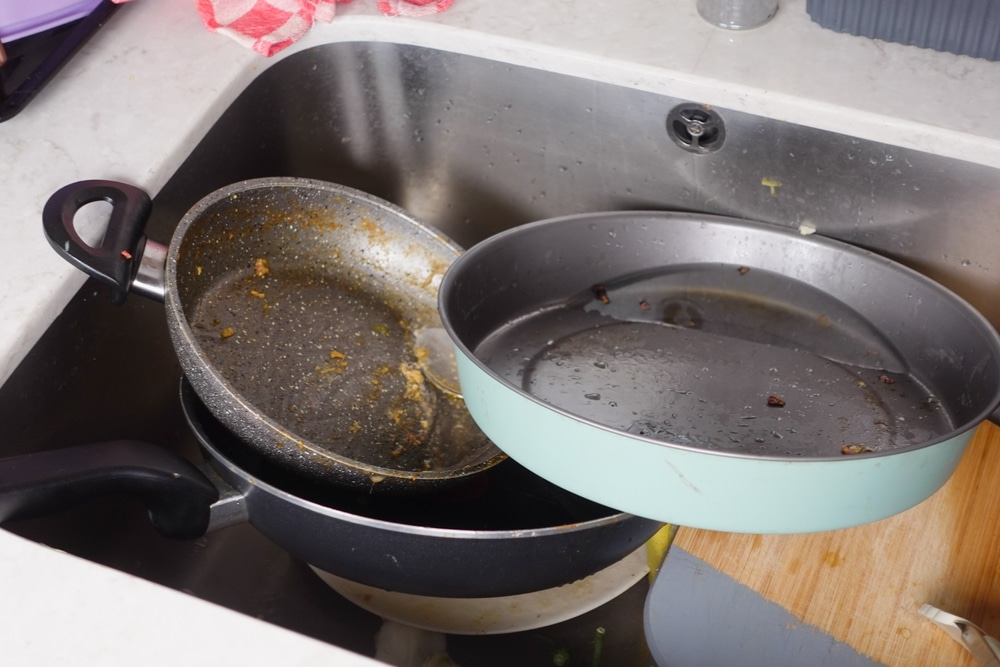
Cooking oil, butter, and meat fat might be liquid when they go down the sink, but they cool and solidify inside the pipe. Over weeks and months, layers of grease narrow the pipe until water can barely get through. We see this a lot in holiday rental properties across Merimbula, Tura Beach, and Tathra. Summer tenants cook big meals, pour fat down the drain, and move on. The owner doesn’t find out until a guest complains or the kitchen floods. If you manage a rental on the coast, getting the kitchen drains cleaned between peak seasons is cheap prevention against an emergency callout in January.
The Stuff We Pull Out of Drains Every Week
The biggest culprit is “flushable” wipes, which don’t break down the way toilet paper does. They catch on joints inside the pipe and build into solid clumps. Sanitary products, cotton buds, nappies, and even kids’ toys are all things we’ve pulled out over the years. Hair is another constant, especially in shower and basin drains, where it tangles with soap residue until the water stops. If it isn’t toilet paper or water, it shouldn’t go down the drain.
When the Blockage Keeps Coming Back
If you’re clearing the same drain every few weeks, the problem probably isn’t what’s going into the pipe. It’s the pipe itself. Cracked, sagging, or collapsed pipes trap debris in the same spot every time. This is common in older Sapphire Coast homes where original pipework has been in the ground for over 40 years. We use CCTV cameras to confirm the damage, then talk through options, including pipe relining. For a deeper look at pipe failure, see our guide: What Causes Broken Pipes?
Storms, Leaves, and Coastal Debris
This one is specific to coastal living. The east coast lows that hit the Sapphire Coast through winter push sand, salt residue, bark, and leaf litter into outdoor drains. Properties close to the water in Merimbula, Eden, and Pambula Beach cop the worst of it. This material is heavier and compacts harder than what you’d see inland, so by the time the drain stops flowing, it’s usually well and truly packed in. We see a spike in outdoor drain callouts every year around late autumn and again after the first big storms.
How Quickly Can a Blocked Drain Get Serious?
Faster than most people think. A partial blockage can become a full one within days. Within a week or two of a full blockage sitting in a sewer line, wastewater can start backing up into the lowest fixtures in the house. In warmer months on the Sapphire Coast, blocked drains that sit can produce serious odours within a day or two. There’s also the structural side. Water that overflows inside can damage flooring, cabinetry, and plasterboard, and the repair cost for water damage is almost always more than the drain clearance would have been. If it’s draining slowly, don’t wait for it to stop completely.
When It's Time to Call a Blocked Drain Plumber
If water is backing up in more than one fixture, there’s a persistent sewage smell, you’re hearing gurgling sounds, or the blockage keeps returning, it’s past the DIY stage. At Keogh Plumbing, we service the full Sapphire Coast from Merimbula and Bega through to Eden, Pambula, and the surrounding areas. Our blocked drain plumbers carry CCTV cameras and jet blasters on every callout so we can help you find and clear your blocked drain on the spot. Get in touch with our team, and we’ll get it sorted.
Frequently Asked Questions
How long can you leave a blocked drain before it becomes serious?
Not long. A partial blockage can become a full one within days, and a full blockage in a sewer line can lead to wastewater backing up into your home within a week or two. In warmer weather, strong odours can develop within 24 to 48 hours. The sooner you get it cleared, the less damage you'll deal with.
Do tree roots always mean the pipe needs replacing?
Not necessarily. If the roots have entered through a joint or small crack, we can clear them with jet blasting and relining the pipe to seal it from the inside. No excavation needed. Full replacement is usually only required if the pipe has collapsed or is severely deteriorated.
Why does my drain smell after heavy rain?
Heavy rain can overwhelm stormwater systems and push water back through drain traps, releasing sewer gases into the house. If the smell only appears after rain and clears within a day, it's usually a stormwater issue. If it lingers, there's likely a blockage or damaged pipe that needs investigating.
Is a blocked drain the tenant's responsibility or the landlord's?
What the Locals are Saying
Trustindex verifies that the original source of the review is Google.
Keogh plumbing came with short notice and to fixed a blocked sewer pipe that had tree roots growing in them. We have used them before and would highly recommend them to anyone looking for a plumber within the Merimbula area. Thanks guysPosted on Google
 Kevin Miller30 September 2025Thanks Ryan, what a life saver. Our pump for our water tank stopped working and he was here so quickly, sorted a new pump and parts that needed replacing, he worked so quickly and efficiently and really lovely friendly service. Can't recommend these guys enough! Thanks again we really appreciate your excellent service.Posted on Google
 Suezi South Coast4 June 2025My old plumber moved away and recommended Keogh plumbing. We found them to be very trustworthy hardworking reliable service with a great team! highly recommend to anyone!Posted on Google
 MizSazz30 May 2025Being new residents to the area and not having a tradie network to attend to an emergency Kristin and his team were absolutely fantastic rescheduled his work programme on a Friday afternoon and within a couple of hours emergency was all sorted our best tradie experience ever - simply the best Thank you Kristin & Team Kevin & ColleenPosted on Google
 Colleen Robinson23 April 2025Steve came to my home this morning 27/11/24 on time as scheduled and in 1 hour had my problem sorted, something that two previous plumbers hadn't gone to the extent that he did. He was very communicative about any queries I had and explained everything clearly. I would highly recommend Keogh plumbing services for any plumbing problems you might have.Posted on Google
 Kevin Haslam27 November 2024My wife and I could not have been happier with Kristin. We were in a bit of a tricky situation and had an unusual job (and relatively urgent) to get done, but Kristin worked with us, was extremely supportive and very understanding. He was very impressive, not only with his personal acumen, but his professional skills as well - greatly appreciated.Posted on Google
 Marty Hogan1 November 2024From the ease of booking, the outstanding communication, to the finished work, every aspect of our job was done professionally and promptly. The team were so proficient and genuinely first class tradesmen. We can't thank Kristen and his team enough. We would highly recommend.Posted on Google
 Michelle Peters1 November 2024Thank you to the team at Keogh Plumbing. I’ve had issues with leaking drains and taps for quite some time but now they are all in perfect working condition. Top notch work, can’t thank you guys enough!Posted on Google
 Lorenzo Sanni25 October 2024Great team to work with, I had my hot water system break over night and the Keogh team was so quick to come out and get it all back in working order. HIGHLY recommend the Keogh Plumbing Team!Posted on Google
 Kat Fairlie25 October 2024